Harmony of Sound and Vision: An Analysis of the Relationship Between Music and Animation in Studio Ghibli Films
DOI:
https://doi.org/10.69598/decjournalartanddesign.5.94-112Keywords:
animation, music, Studio Ghibli, film music analysis, harmony of sound and visionAbstract
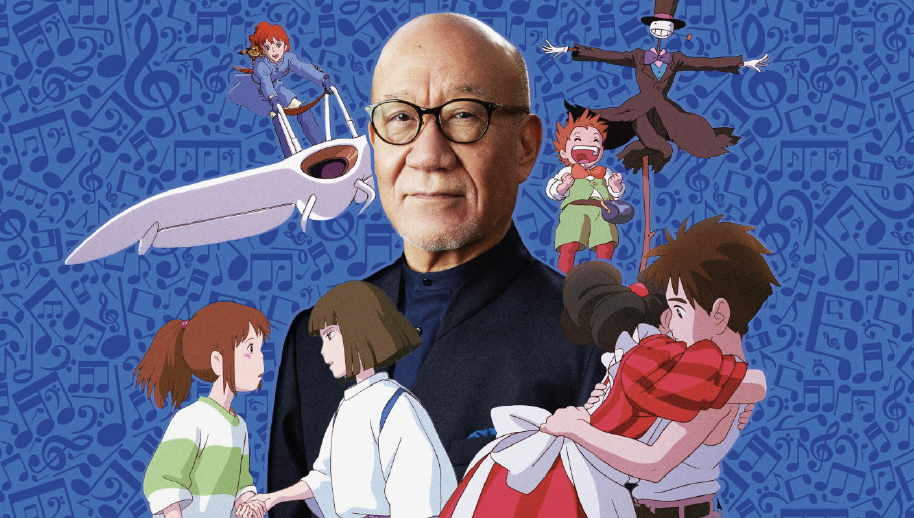
This article explores the interplay between sound and image in animation through a case study of three Studio Ghibli films: My Neighbor Totoro (1988), Spirited Away (2001), and The Boy and the Heron (2023). Although animation is often associated with childhood audiences, Studio Ghibli’s works demonstrate that the medium can convey layered emotional and cultural narratives accessible to viewers of all ages. The article aims to examine the role of music not merely as background, but as a structural and emotional agent that shapes character development, storytelling rhythm, and audience engagement.
The article adopts a qualitative analytical approach, utilizing close reading of key scenes to investigate how music interacts with visual and narrative contexts. Rather than treating music as supplementary, the discussion highlights how compositional choices and sound design participate in narrative construction and emotional resonance. The framework of Multisensory Aesthetics is used to interpret how synchronized audiovisual elements stimulate affective perception beyond the literal storyline. The article also considers the creative partnership between composer Joe Hisaishi and director Hayao Miyazaki, which enables a seamless fusion of sound and image.
The analysis suggests that music in Studio Ghibli films functions as an emotional language, communicating internal character states, supporting narrative transitions, and guiding audience interpretation. Attention is given to how tone color, silence, and rhythmic variation are used symbolically throughout each film. This approach not only enhances the emotional depth of the narrative but also encourages subjective reflection and interpretive openness.
In conclusion, the article argues that Studio Ghibli’s use of music exemplifies animation as an “Art of Feeling”—an aesthetic practice where image and sound are intricately woven to evoke emotion, introspection, and cultural resonance. Drawing on Leo Tolstoy’s notion that art is the transmission of feeling, the article emphasizes how these films move beyond technical mastery to offer meaningful sensory experiences that invite emotional engagement.
References
กษาปณ์ หาญดิฐกุล. (2567). The Boy and the Heron การปล่อยวางที่ไม่อาจปล่อยใจของแอนิเมเตอร์ที่ยิ่งใหญ่ที่สุดตลอดกาล. Thestandard. https://thestandard.co/the-boy-and-the-heron-3/html
เคมป์ตัน, เบท. (2018). Wabi Sabi วะบิ ซะบิ: แด่ความไม่สมบูรณ์แบบของชีวิต (วุฒิชัย กฤษณะประกรกิจ, ผู้แปล). Being. (ต้นฉบับพิมพ์ปี 2018).
ฑิเบต เลิศอำนวยอนันต์ และ อิสรียะ พรหมสาขา ณ สกลนคร. (2567). วิเคราะห์ปรัชญาสิ่งแวดล้อมจากมุมมองศาสนาชินโต
ในภาพยนตร์ญี่ปุ่นของสตูดิโอจิบลิ. วารสารสหวิทยาการ วิทยาลัยสหวิทยาการ. มหาวิทยาลัยธรรมศาสตร์, 21(1), 55-70. https://so06.tci-thaijo.org/index.php/citujournal/article/view/269886/184144.
ณัฐนันท์ เฉลิมพนัส. (2563). 15 มิถุนายน 1985 – สตูดิโอจิบลิ ผู้ส่งมอบความสุข สร้างสรรค์แรงบันดาลใจ เติมเต็มจินตนาการชวนฝัน มาตลอดระยะเวลา 35 ปี. Thestandard. https://thestandard.co/poponthisday15061985/.
นฤพนธ์ ด้วงวิเศษ. (2558). Myth. Anthropology. https://anthropology-concepts.sac.or.th/glossary/92?utm_
เปรมวดี ปานทอง. (2566). Message from Ghibli. Onceinlife. https://onceinlife.co/ghibli-insight
สายัณห์ แดงกลม. (2545). ห่อใบไผ่ผูกด้วยหญ้าหนวดมังกร. วารสารดำรงวิชาการ, 1(2), 85–99. https://so01.tci-thaijo.org/index.php/damrong/article/view/21410/18529
อัญชิสา พิศสะอาด. (2550). คุณค่าทางสุนทรียะตามทัศนะของตอลสตอย : กรณีศึกษางานนิพนธ์ เรื่อง ศิลปะคืออะไร [วิทยานิพนธ์ศิลปศาสตร์บัณฑิต, มหาวิทยาลัยธรรมศาสตร์]. Digital library. https://digital.library.tu.ac.th/tu_dc/frontend/Info/item/dc:186389.
Frank, A. (2024). Hayao Miyazaki’s greatest collaborator never expected awards recognition. thedailybeast. https://www.thedailybeast.com/obsessed/the-boy-and-the-heron-joe-hisaishi-interview-miyazakis-maestro-finally-enters-awards-season/
Kucenski, A. S. (2022). Miyazaki’s peace: The role of pacifism and the soundscape in the films of Studio Ghibli. [Master’s thesis, Pennsylvania state university]. etda. https://etda.libraries.psu.edu/catalog/23130ask5507
Yonghow. (2008). Studio Ghibli Layout Exhibition. Halcyonrealms https://halcyonrealms.com/animation/studio-ghibli-layout-exhibition-a-preview/
Downloads
Published
How to Cite
Issue
Section
Categories
License
Copyright (c) 2026 DEC Journal : Art and Design

This work is licensed under a Creative Commons Attribution-NonCommercial-NoDerivatives 4.0 International License.
Published by Academic Affairs Division, Faculty of Decorative Arts, Silpakorn University. The copyright of the article belongs to the article owner. Published articles represent the views of the authors. The editorial board does not necessarily agree with and is not responsible for the content of such articles.

