ปัจจัยที่ส่งผลต่อความผูกพันขององค์กรที่เกิดขึ้นกับธุรกิจบริหารจัดการอสังหาริมทรัพย์ ในสมาคมบริหารทรัพย์สินแห่งประเทศไทย
คำสำคัญ:
การให้อำนาจแก่พนักงาน, ความต้องการของพนักงาน, ความสมดุลระหว่างชีวิตและการทำงาน, ความผูกพันต่อองค์กร, ธุรกิจบริหารจัดการอสังหาริมทรัพย์บทคัดย่อ
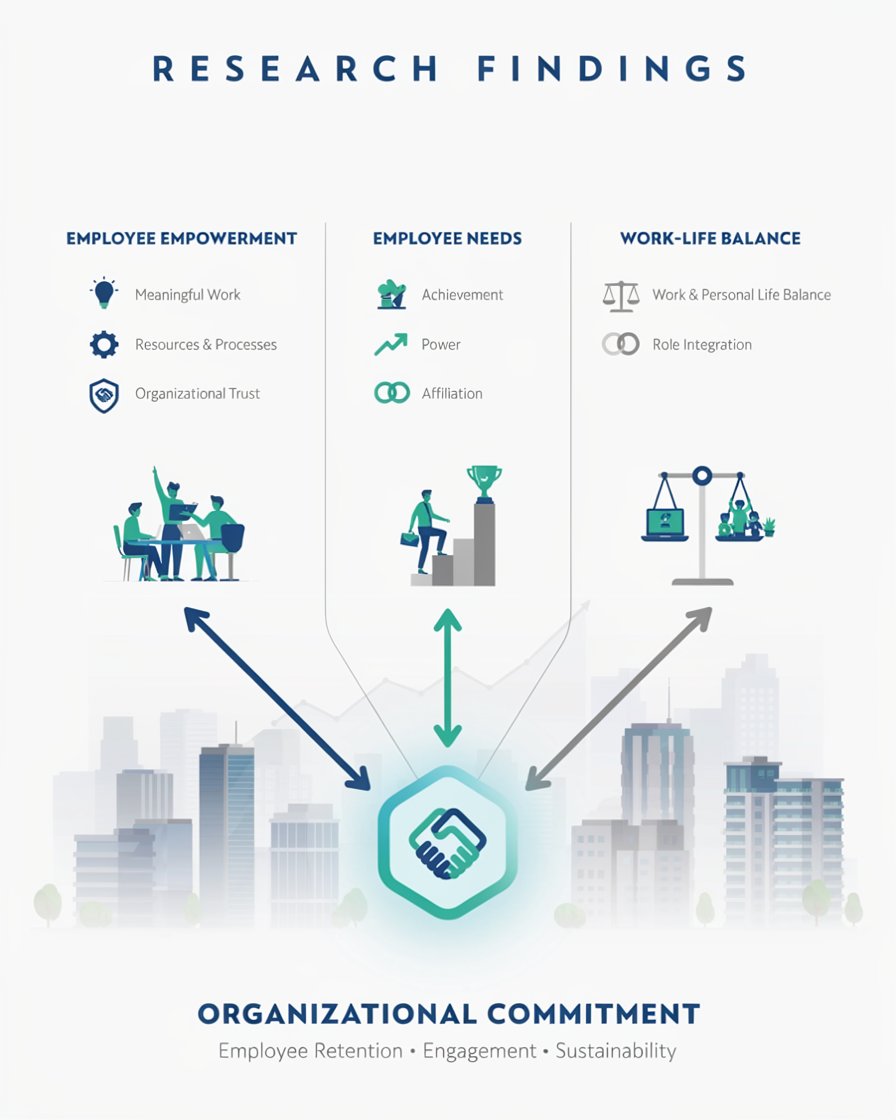
การวิจัยครั้งนี้มีวัตถุประสงค์เพื่อศึกษา (1) ระดับการให้อำนาจแก่พนักงาน ความต้องการของพนักงาน ความสมดุลระหว่างชีวิตและการทำงาน และความผูกพันต่อองค์กร และ (2) ปัจจัยที่ส่งผลต่อความผูกพันต่อองค์กรของบุคลากรในธุรกิจบริหารจัดการอสังหาริมทรัพย์ภายใต้สมาคมบริหารทรัพย์สินแห่งประเทศไทย กลุ่มตัวอย่างที่ใช้ในการวิจัย ได้แก่ บุคลากรในธุรกิจบริหารจัดการอสังหาริมทรัพย์ภายใต้สมาคมบริหารทรัพย์สินแห่งประเทศไทย จำนวน 400 คน จากประชากรทั้งหมด 1,600 คน โดยกำหนดขนาดกลุ่มตัวอย่างตามสูตรของยามาเน่ (Yamane, 1973) ที่ระดับความคลาดเคลื่อน .05 เครื่องมือที่ใช้ในการวิจัย คือ แบบสอบถามมาตราส่วนประมาณค่า 5 ระดับ ซึ่งมีค่าความเชื่อมั่นของแบบสอบถามมากกว่า .70 สถิติที่ใช้ในการวิเคราะห์ข้อมูล ได้แก่ ความถี่ ร้อยละ ค่าเฉลี่ย ส่วนเบี่ยงเบนมาตรฐาน และการวิเคราะห์การถดถอยพหุคูณ ผลการวิจัยพบว่า บุคลากรส่วนใหญ่เป็นเพศหญิง มีอายุระหว่าง 40–49 ปี ดำรงตำแหน่งพนักงานระดับปฏิบัติการ และมีอายุงาน 6–10 ปี โดยภาพรวมการให้อำนาจแก่พนักงาน ความต้องการของพนักงาน ความสมดุลระหว่างชีวิตและการทำงาน และความผูกพันต่อองค์กร อยู่ในระดับมาก สำหรับผลการทดสอบสมมติฐาน พบว่า ปัจจัยการให้อำนาจแก่พนักงาน ได้แก่ ด้านความหมายของงาน ด้านทรัพยากรและกระบวนการ และด้านความไว้วางใจจากองค์กร ส่งผลต่อความผูกพันต่อองค์กรอย่างมีนัยสำคัญทางสถิติที่ระดับ .05 ปัจจัยด้านความต้องการของพนักงาน ได้แก่ ความต้องการความเป็นมิตรหรือความสัมพันธ์ ความต้องการอำนาจ และความต้องการความสำเร็จ ส่งผลต่อความผูกพันต่อองค์กรอย่างมีนัยสำคัญทางสถิติที่ระดับ .05 นอกจากนี้ ปัจจัยด้านความสมดุลระหว่างชีวิตและการทำงาน ได้แก่ ความสมดุลระหว่างชีวิตและการทำงาน และการประสานบทบาทในชีวิตส่วนตัวกับงาน ส่งผลต่อความผูกพันต่อองค์กรอย่างมีนัยสำคัญทางสถิติที่ระดับ .05
เอกสารอ้างอิง
Allen, N. J., & Meyer, J. P. (1991). A three-component conceptualization of organizational commitment. Human Resource Management Review, 1(1), 61–89.
Eisenberger, R., Shanock, L. R., & Wen, X. (2020). Perceived organizational support: Why caring about employees counts. Annual Review of Organizational Psychology and Organizational Behavior, 7, 101–124.
Greenhaus, J. H., & Allen, T. D. (2011). Work-family balance. In J. H. Greenhaus & G. A. Callanan (Eds.), Handbook of occupational health psychology (pp. 165–184). American Psychological Association. https://doi.org/10.1037/12274-010
Joochan, N., & Sriboonlue, A. (2026). Factors affecting organizational commitment: The role of perceived organizational support, motivation, and work engagement among Generation Y and Z employees at the Electricity Generating Authority of Thailand. Journal of Value Chain Management and Business Strategy, 5(2), 39–57.
Kumhom, B., & Muntarp, R. (2026). The influence of perceived organizational support and career adaptability on turnover intention among Generation Z employees in the hotel industry in Bangkok. Journal of Humanities and Social Sciences (STMS), 32(1), 89–104.
Lohakarn, D. (2023). Motivation factors, organizational commitment, and quality of work life affecting turnover intention of private hospital nurses (Master’s thesis, Sukhothai Thammathirat Open University).
Maslow, A. H. (1943). A theory of human motivation. Psychological Review, 50(4), 370–396.
McClelland, D. C. (1961). The achieving society. Van Nostrand.
Nunnally, J. C., & Bernstein, I. H. (1994). Psychometric theory (3rd ed.). McGraw-Hill.
Pramote, T. (2021). The influence of work-life balance and job satisfaction on quality of life among Thai professional nurses. Journal of Health Science, 30(2), 344–352.
Rakcharoen, C. (2023). The influence of perceived organizational support from organization and supervisors and organizational commitment on role performance of employees in a regional revenue office (Master’s thesis, Silpakorn University).
Robbins, S. P., & Judge, T. A. (2022). Essentials of organizational behavior (15th ed.). Pearson.
Sakunneeph, P., Wanvichnee, T., & AreeRat, L. (2025). The influence of quality of work life and work-life balance on happiness at work after the COVID-19 pandemic. Humanities and Social Sciences Research Promotion Network Journal, 8(1), 114–129.
Sharma, A., Raj, R., Gupta, A., Johri, A., & Asif, M. (2024). HR practices and employee engagement: The mediating role of employer branding. Sage Open, 14(4).
Singh, S., Dias, R., Irfan, M., Galvão, R., Alexandre, P., & Gonçalves, S. (2024). The role of perceived organisational support in predicting organisational commitment and organizational citizenship behavior in professional organizations. Journal of Ecohumanism, 3(6), 239–249. https://doi.org/10.62754/joe.v3i6.4184
Varghese, D. T. (2024). Investigating the relationship between perceived organizational support, employee engagement, and organizational commitment: Evidence from the education sector of South India. LEADER: International Journal of Business Management, 12(1), 68–75.
Wanchai, C. (2024). Modern management principles for contemporary business operations. Management Science Review Journal, 26(3), 197–209.
ดาวน์โหลด
เผยแพร่แล้ว
รูปแบบการอ้างอิง
ฉบับ
ประเภทบทความ
สัญญาอนุญาต
ลิขสิทธิ์ (c) 2026 วารสารการวิจัยนวัตกรรมการจัดการธุรกิจ

อนุญาตภายใต้เงื่อนไข Creative Commons Attribution-NonCommercial-NoDerivatives 4.0 International License.
ข้อคิดเห็นและเนื้อหาที่ปรากฏในบทความเป็นความเห็นส่วนบุคคลของผู้แต่งแต่ละท่าน มิได้สะท้อนถึงทัศนะของวารสารหรือหน่วยงาน/สถาบันต้นสังกัด ความถูกต้องและข้อผิดพลาดใด ๆ เป็นความรับผิดชอบของผู้แต่งโดยเฉพาะ
การนำบทความ เนื้อหา ข้อมูล หรือภาพประกอบไปใช้ซ้ำหรือเผยแพร่ในลักษณะอื่น ต้องได้รับอนุญาตเป็นลายลักษณ์อักษรจากวารสารการวิจัยนวัตกรรมการจัดการธุรกิจก่อนเท่านั้น


