การส่งเสริมการเรียนการสอนด้วยการประยุกต์ใช้เทคโนโลยีปัญญาประดิษฐ์ ในการบริหารจัดการอุดมศึกษาในมิติการพัฒนาวัฒนธรรมท้องถิ่น
บทคัดย่อ
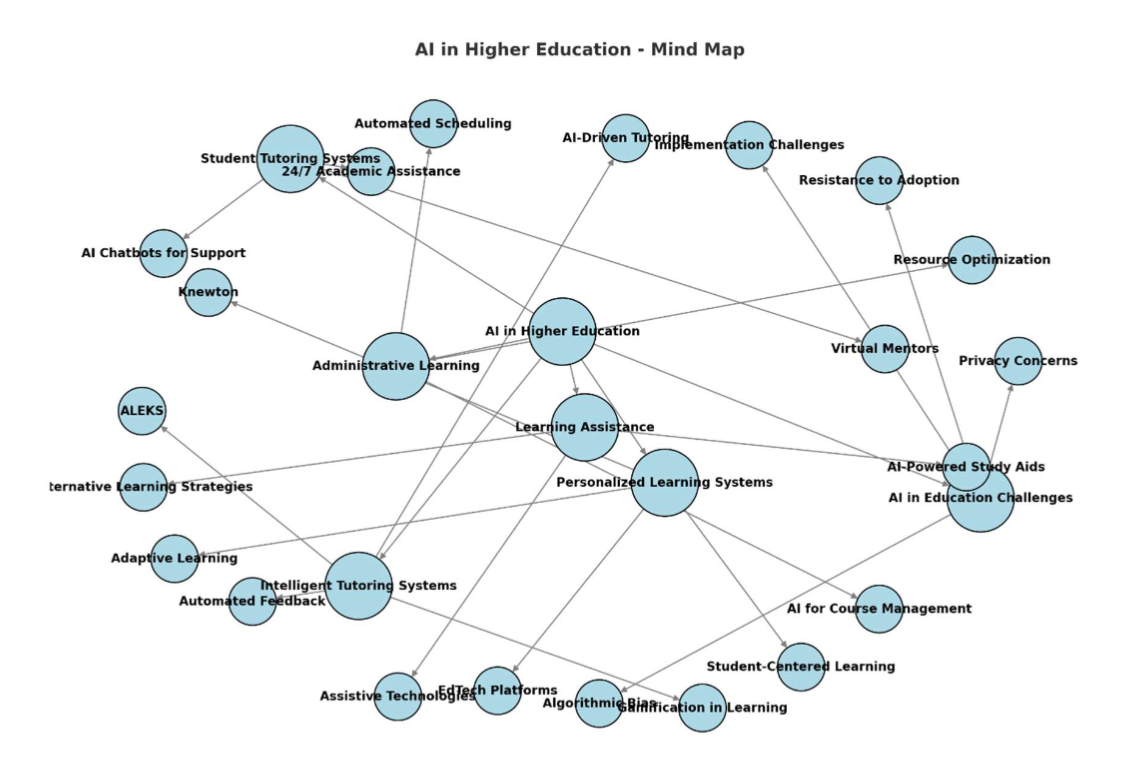
การนำปัญญาประดิษฐ์มาใช้ในการจัดการการศึกษาระดับอุดมศึกษาช่วยเพิ่มประสิทธิภาพโดยทำให้การทำงานด้านการบริหารในมิติการพัฒนาวัฒนธรรมท้องถิ่นด้วยระบบอัตโนมัติ เพิ่มประสิทธิภาพในการจัดสรรทรัพยากร และปรับปรุงระบบสนับสนุนนักศึกษา นอกจากนี้ยังช่วยให้สามารถตัดสินใจโดยอาศัยข้อมูล ทำให้มั่นใจได้ว่าจะได้รับประสบการณ์การเรียนรู้แบบเฉพาะบุคคลและมีผลการเรียนที่ดีขึ้น ดังนั้นการศึกษาครั้งนี้มีวัตถุประสงค์เพื่อศึกษาการส่งเสริมการเรียนการสอนด้วยการประยุกต์ใช้เทคโนโลยีปัญญาประดิษฐ์ในการบริหารจัดการอุดมศึกษาในมิติการพัฒนาวัฒนธรรมท้องถิ่น การศึกษาครั้งนี้เป็นการศึกษาเอกสารทางวิชาการที่เกี่ยวข้องกับปัญญาประดิษฐ์ที่สามารถนำมาประยุกต์ใช้กับการจัดการเรียนรู้และการบริหารจัดการการศึกษาในมิติการพัฒนาวัฒนธรรมท้องถิ่น ผลการศึกษาพบว่า การใช้ปัญญาประดิษฐ์ในการศึกษากำลังเปลี่ยนแปลงระบบการเรียนรู้โดยเน้นความเป็นส่วนตัวและความยืดหยุ่น ผ่านแพลตฟอร์มการเรียนรู้แบบปรับตัว ระบบกวดวิชาอัจฉริยะ และการวิเคราะห์ข้อมูลของผู้เรียน ซึ่งช่วยให้นักเรียนได้รับเนื้อหาที่เหมาะสมกับระดับความสามารถและความต้องการของแต่ละบุคคล นอกจากนี้ปัญญาประดิษฐ์ ยังถูกนำมาใช้ในการบริหารการศึกษา เช่น ระบบให้คะแนนอัตโนมัติ การสนับสนุนนักศึกษาผ่านแชทบอท และการจัดสรรทรัพยากรภายในมหาวิทยาลัย ทำให้เกิดความมีประสิทธิภาพ ลดภาระงานของผู้สอน และช่วยให้นักศึกษาสามารถเข้าถึงข้อมูลได้สะดวกยิ่งขึ้น อย่างไรก็ตาม ความท้าทายของปัญญาประดิษฐ์ในการศึกษา ได้แก่ ปัญหาด้านจริยธรรม ความเป็นส่วนตัวของข้อมูล และอคติในอัลกอริทึม ซึ่งอาจทำให้เกิดความไม่เท่าเทียมในการเข้าถึงการศึกษา จำเป็นต้องมีการกำกับดูแลที่เข้มงวดและการออกแบบระบบปัญญาประดิษฐ์ที่โปร่งใสและเป็นธรรมเพื่อให้มั่นใจว่าประโยชน์ของเทคโนโลยีจะเกิดขึ้นอย่างทั่วถึงและยั่งยืน นอกจากนี้ผ่านการแปลงเป็นดิจิทัล ระบบการเรียนรู้แบบรายบุคคล และความหลากหลายทางวัฒนธรรม ปัญญาประดิษฐ์ในระดับอุดมศึกษามีบทบาทสำคัญในการรักษาและส่งเสริมวัฒนธรรมท้องถิ่นโดยการปรับปรุงการมีส่วนร่วมของชุมชนและการแก้ไขปัญหาทางจริยธรรมเพื่อให้แน่ใจว่ามีการบูรณาการเทคโนโลยีอย่างยั่งยืนและเท่าเทียมกัน สรุปได้ว่าปัญญาประดิษฐ์ในการศึกษาช่วยปรับปรุงการเรียนรู้แบบเฉพาะบุคคลและเพิ่มประสิทธิภาพการบริหารผ่านระบบอัตโนมัติ แต่ยังคงเผชิญความท้าทายด้านจริยธรรมและความเท่าเทียมในการเข้าถึงข้อมูล จึงต้องมีมาตรการกำกับดูแลที่เหมาะสม
Downloads
Article Details
รูปแบบการอ้างอิง
ประเภทบทความ
บทความวิจัย
Copyright & License
ลิขสิทธิ์ (c) 2025 วารสารศิลปะและวัฒนธรรมลุ่มแม่น้ำมูล

อนุญาตภายใต้เงื่อนไข Creative Commons Attribution-NonCommercial-NoDerivatives 4.0 International License.
บทความทุกเรื่องที่ตีพิมพ์ในรูปแบบ เปิดให้เข้าถึง (Open Access) ภายใต้สัญญาอนุญาต CC BY-NC-ND 4.0 จะสามารถเข้าถึงได้ฟรีทันทีและอย่างถาวรสำหรับทุกคน โดยผู้อ่านสามารถอ่าน ดาวน์โหลด ทำสำเนา แจกจ่าย พิมพ์ ค้นหา หรือเชื่อมโยงไปยังบทความได้โดยไม่เสียค่าใช้จ่าย การใช้งานอนุญาตเฉพาะเพื่อวัตถุประสงค์ที่ไม่แสวงหากำไร (ไม่อนุญาตการใช้เพื่อการค้า) และต้องไม่ทำการดัดแปลงแก้ไขผลงาน (ไม่อนุญาตการดัดแปลง) การเข้าถึงไม่จำเป็นต้องขออนุญาตล่วงหน้าจากสำนักพิมพ์หรือผู้แต่ง ทั้งนี้ต้องมีการอ้างอิงถึงแหล่งตีพิมพ์ต้นฉบับอย่างถูกต้องและเหมาะสม




เอกสารอ้างอิง
Akinwalere, S. N., & Ivanov, V. (2022). Artificial Intelligence in Higher Education : Challenges and Opportunities. Border Crossing, 12(1), 1–15. https://doi.org/10.33182/bc.v12i1.2015.
Floridi, L., Cowls, J., Beltrametti, M., Chatila, R., Chazerand, P., Dignum, V., Luetge, C., Madelin, R., Pagallo, U., Rossi, F., Schafer, B., Valcke, P., & Vayena, E. (2018). AI4People - An Ethical Framework for a Good AI Society : Opportunities, Risks, Principles, and Recommendations. Minds and Machines, 28(4), 689 – 707. https://doi.org/10.1007/s11023-018-9482-5.
Hsu, Y. C., Huang, T. H. ‘K.,’ Verma, H., Mauri, A., Nourbakhsh, I., & Bozzon, A. (2022). Empowering Local Communities Using Artificial Intelligence. Patterns, 3(3), 100449. https://doi.org/10.1016/j.patter.2022.100449.
Huang, R., Spector, J. M., & Yang, J. (2019). Educational Technology : A Primer for the 21st Century. Springer Singapore. https://doi.org/10.1007/978-981-13-6643-7.
Kezar, A. J., & Holcombe, E. M. (2017). Shared Leadership in Higher Education : Important Lessons from Research and Practice. American Council on Education. https://www.acenet.edu/Documents/Shared-Leadership-in-Higher-Education.pdf.
Long, P. D., & Siemens, G. (2014). Penetrating the Fog : Analytics in Learning and Education. TD Tecnologie Didattiche, 22(3), 132 - 137. https://doi.org/10.17471/2499-4324/195. (In Italiano)
Marginson, S. (2016). The Dream Is Over : The Crisis of Clark Kerr’s California Idea of Higher Education. University of California Press. https://doi.org/10.1525/luminos.17.
Patton, S. (2024). AI Meets Archives : The Future of Machine Learning in Cultural Heritage. Council on Library and Information Resources. https://www.clir.org/2024/10/ai-meets-archives-the-future-of-machine-learning-in-cultural-heritage.
Robert, J. (2024). The Future of AI in Higher Education. https://www.educause.edu/ecar/research-publications/2024/2024-educause-ai-landscape-study/the-future-of-ai-in-higher-education.
Taşkın, M. (2025). Artificial Intelligence in Personalized Education : Enhancing Learning Outcomes Through Adaptive Technologies and Data-Driven Insights. Human Computer Interaction, 8(1), 173. https://doi.org/10.62802/ygye0506.
The Culture Factor. (n.d.). Does Artificial Intelligence Have a Culture Problem?. https://news.theculturefactor.com/news/does-artificial-intelligence-have-a-culture-problem.
VanLehn, K. (2011). The Relative Effectiveness of Human Tutoring, Intelligent Tutoring Systems, and Other Tutoring Systems. Educational Psychologist, 46(4), 197–221. https://doi.org/10.1080/00461520.2011.611369.
Zawacki-Richter, O., Marín, V. I., Bond, M., & Gouverneur, F. (2019). Systematic Review of Research on Artificial Intelligence Applications in Higher Education - Where are the Educators? International Journal of Educational Technology in Higher Education, 16(1), 39. https://doi.org/10.1186/s41239-019-0171-0.
